I will not let the fickle waves of Takashi's famous shore touch me — if I trusted your flirting words, my sleeves would only be soaked with tears.
Lady Kii of Princess Yūshi's household (dates unknown) was a poet of the late Heian period, a lady-in-waiting to Princess Yūshi, daughter of Emperor Go-Suzaku; her mother is said to have been the poet Koben, who served the same princess. She is one of the Thirty-Six Women Poetic Immortals. This poem is Kin'yō Wakashū, Love II, 469. It was composed in 1102 at the Horikawa-in Enjo Awase, a 'love-letter poetry match' held by Emperor Horikawa in which men sent love poems and women replied. Her opponent was Fujiwara no Toshitada, father of Shunzei and grandfather of Teika. Toshitada sent: 'Unknown to others I long for you; as waves draw near on the wind of the rough shore, I would speak with you by night.' Kii answered with this poem. She is said to have been about seventy and he twenty-nine. To the pick-up line of a nobleman young enough to be her grandson she replied 'shore' for his 'bay' and 'I will not let those fickle waves touch me' for his 'waves draw near', taking up every one of his words and turning it back. It was a game at a poetry match, not a real affair, but the skill of layering pivot-words to brush a suitor off within a single poem was praised as a masterpiece from the start.
She is smiling: I have heard the rumors, you know. Your words, like the fickle waves you are famous for, I will not let touch me — it would be a nuisance to get my sleeves wet. She refuses him, and yet there is not the slightest edge to it. She wastes none of his words, answering waves with a shore and night with sleeves. There is no anger and no lament, only poise. A woman who knew every convention of love poetry showing a young man 'I won't fall for that one' — the most elegant way there is of saying no.
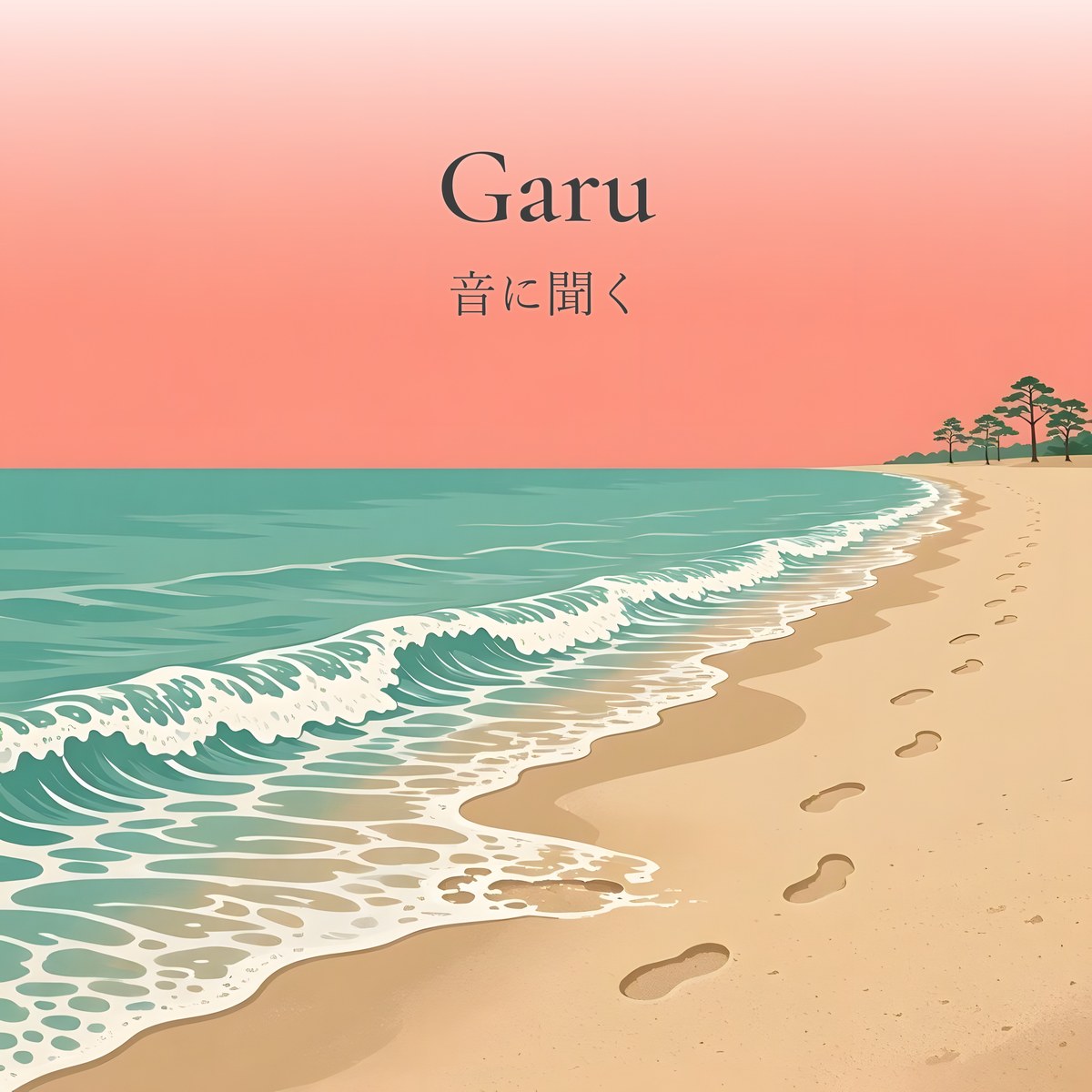
What drew us most to this poem is its poise: she turns him down and hurts no one. We moved the thousand-year-old game of a poetry match into a night of today — a message from someone with a reputation, 'I've had my eye on you for ages', when rumor has already reported that he said the very same words to another girl only last week. So she does not get angry and does not cry. She puts the phone face down and makes tea. The chorus sings the poem as it is, then translates it in the poem's own word order — that wave with such a reputation, I won't let it splash me, my sleeves would get wet — repeats 'kakeji ya' like a password, and lands on 'Sorry — I won't fall for that one'. 'Ainiku', 'sorry, but', is a word for refusing politely, and 'fall for' is in Japanese 'ride', a pun on not riding the wave; we wanted to answer a witty poem with wit. In the second verse she sees that, just as waves on a beach roll in prettily and carry off only your footprints, nicely made words are made in a size that fits anyone; when a second message arrives she replies with a single smiling sticker — short and smiling, a modern version of Kii's reply. The bridge tells in plain words of someone long ago who, on a night of matching love poems, smiled 'I have heard the rumors' and answered with a poem about waves, so that tonight's notification and the match of a thousand years ago take the same shape. Not falling for sweet words is not coldness. Keeping your sleeves dry, turning off the light and going to sleep — that too is a way of love, as Kii teaches us with a smile.
音に聞く(金葉集/祐子内親王家紀伊・百人一首72番)Garu JP
夜の通知に きみの名前
「ずっと気になってた」だって
同じ言葉を つい先週は
となりのクラスの あの子に言ってた
うわさは 波より 早く届く
画面を伏せて お茶をいれる
音に聞く 高師の浜の あだ波は
かけじや袖の ぬれもこそすれ
うわさに高い その波は
かぶらないよ 袖が濡れるから
かけじや かけじや
あいにく その手には 乗らない
浜辺の波は きれいに寄せて
足あとだけを さらっていく
きみの言葉も よく出来ている
誰にでも合う サイズで出来ている
伏せた画面が もう一度光る
笑った顔の スタンプひとつ
音に聞く 高師の浜の あだ波は
かけじや袖の ぬれもこそすれ
うわさに高い その波は
かぶらないよ 袖が濡れるから
かけじや かけじや
あいにく その手には 乗らない
むかし 恋の歌くらべの夜
甘い一首が 届いたとき
「うわさは聞いています」と 笑って
波の歌で 返した人がいる
音に聞く 高師の浜の あだ波は
かけじや袖の ぬれもこそすれ
うわさに高い その波は
かぶらないよ 袖は乾いたまま
かけじや かけじや
あいにく その手には 乗らない
ぬれもこそすれ……
灯りを消して おやすみ
Oto ni kiku (Kin'yo-shu / Lady Kii, Hyakunin Isshu No. 72) Garu JP
A late-night notification with your name on it
"I've had my eye on you for ages," it says
The very same words, only last week,
you said to that girl in the class next door
Rumors travel faster than waves
I put the phone face down and make some tea
The waves of Takashi shore, famous for being fickle —
I won't let them touch me; my sleeves would only get wet
That wave with such a reputation —
I won't let it splash me; my sleeves would get wet
Kakeji ya, kakeji ya (no, I will not)
Sorry — I won't fall for that one
Waves on a beach roll in so prettily
and carry off nothing but your footprints
Your words are nicely made, too —
made in a size that fits anyone
The phone I turned over lights up once more
One sticker of a smiling face
The waves of Takashi shore, famous for being fickle —
I won't let them touch me; my sleeves would only get wet
That wave with such a reputation —
I won't let it splash me; my sleeves would get wet
Kakeji ya, kakeji ya (no, I will not)
Sorry — I won't fall for that one
Long ago, on a night of matching love poems,
when a sweet verse arrived,
someone smiled, "I have heard the rumors,"
and answered with a poem about waves
The waves of Takashi shore, famous for being fickle —
I won't let them touch me; my sleeves would only get wet
That wave with such a reputation —
I won't let it splash me; my sleeves stay dry
Kakeji ya, kakeji ya (no, I will not)
Sorry — I won't fall for that one
My sleeves would only get wet...
I turn off the light. Good night