▶Do you have any idea how long the night is, when I lie alone, sighing, waiting for it to end?
The Mother of Michitsuna (Fujiwara no Michitsuna no Haha, c. 936–995) was a mid-Heian poet and the author of the Kagerō Diary. A daughter of Fujiwara no Tomoyasu, she became one of the wives of Fujiwara no Kaneie, later regent, and bore his son Michitsuna. Tradition counts her among the three great beauties of the realm, and she is one of the Thirty-Six Poetic Immortals of the Middle Antiquity. Aristocratic society was polygamous and marriage was a 'visiting marriage': the husband came to the wife's house. Kaneie had a principal wife, Tokihime, and other wives and lovers, which was itself ordinary; so the anger of this poem is not quite modern anger at an affair. A wife's standing depended on how often her husband came, and nights when he did not come were proof that she was being put second — the days of waiting she recorded in her diary. The poem is Shūi Wakashū, Love IV, 912; in the diary it belongs to the year 955. Learning that Kaneie was visiting 'the woman of Machi no Kōji', she did not open the gate when he finally came one night, and the next morning sent him this poem with a faded chrysanthemum. To his excuse that he had grown tired of waiting for the gate to open, she answered: do you know how long a night is for one who waits alone? It is a poem that confronts the one who kept her waiting with the length of the time she waited.
A night when the one who should come does not. Grieving, lying alone, how long the hours are until dawn — you would not know. The poem does not end on 'know'; it throws the question back, and there lies her strength. She does not end in tears. Not opening the gate, and sending this poem, were both refusals to be merely a woman who waits. And yet at the core of the poem is 'I wanted you to come'; the anger is the other face of love. The length of the waiting is the length of the time she spent thinking of him.
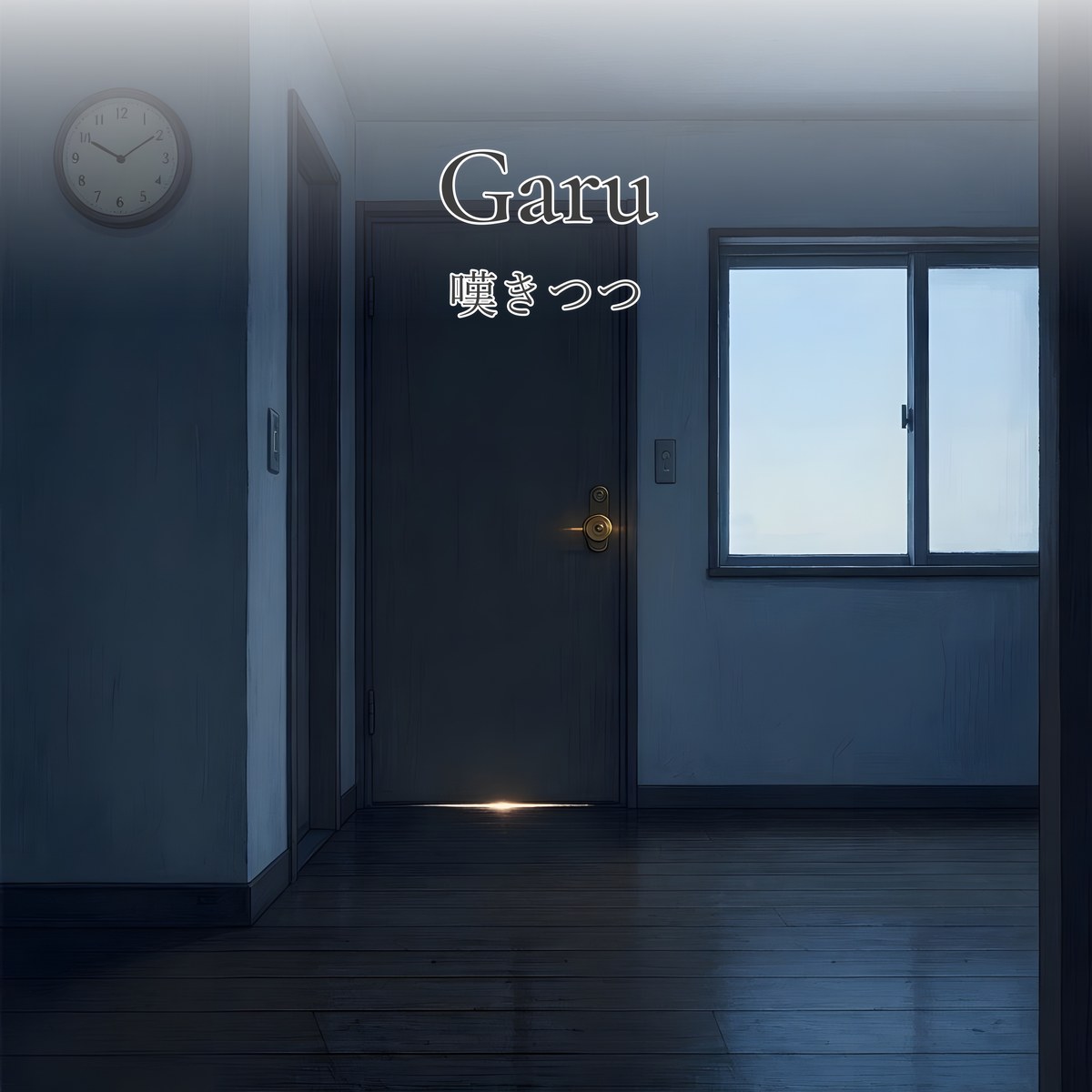
What drew us most to this poem is the strength of saying only 'the night is long' and never once 'I miss you'. Marriage then was polygamous, and the circumstances are nothing like ours; but one thing has not changed in a thousand years — the one who keeps you waiting does not know how long the night is. So we kept only that. In today's scene someone says 'I'll come today', the message stays unread, the date changes, and only the clock in the room grows louder. The chorus sings the poem as it is and then translates it, repeats 'it was a long, long night' three times and changes only the fourth: 'Morning came, and it was still night.' The poem says the hours until dawn are long; for the one who waited, the night does not end even when dawn comes. In the final chorus the line turns: 'It was a night spent for you.' If you were someone I did not care about, I would have slept — the long night was, all of it, time spent thinking of you. It is our way of saying what lies under the anger without saying 'I miss you'. Not only for lovers: a song for anyone whose waiting goes unseen. We set it as midnight piano funk-rock — the body lies still while the mind keeps racing — with a cool female voice that refuses to cry, and it ends, like the poem, on a question.
嘆きつつ(拾遺集/右大将道綱母・百人一首53番)Garu JP
「今日 行く」と言った あなたを待って
時計の音が 大きくなった
既読が つかないまま
日付が 変わった
一分が 一時間みたいで
窓の外が 白くなるまで
目を閉じても 眠れなかった
嘆きつつ ひとり寝る夜の 明くる間は
いかに久しき ものとかは知る
ひとりで待つ夜が どれだけ長いか
あなたは 知らないでしょう
長い 長い 夜だった
長い 長い 夜だった
長い 長い 夜だった
朝が 来ても 夜だった
夜が明けて あなたが来た
「遅くなった」と ドアの向こう
「ごめん」より先に 言い訳が来た
鍵に 手をかけて 回さなかった
ドア一枚 はさんで 黙っていた
あなたの一晩と 私の一晩は
同じ長さじゃ なかった
嘆きつつ ひとり寝る夜の 明くる間は
いかに久しき ものとかは知る
ひとりで待つ夜が どれだけ長いか
あなたは 知らないでしょう
長い 長い 夜だった
長い 長い 夜だった
長い 長い 夜だった
朝が 来ても 夜だった
千年前の人も 来ない人を待って
門をたたく音に 出ていかなかった
朝になって 歌を一首
色のあせた 菊に添えて 渡した
嘆きつつ ひとり寝る夜の 明くる間は
いかに久しき ものとかは知る
どうでもいい人なら 眠れていた
待つ夜の長さを 知ってほしかった
長い 長い 夜だった
長い 長い 夜だった
長い 長い 夜だった
あなたの ための 夜だった
いかに久しき……
ねえ 知ってる?
Nagekitsutsu (Shui-shu / Mother of Michitsuna, Hyakunin Isshu No. 53) Garu JP
You said, "I'll come today," and I waited for you
The ticking of the clock grew louder
My message still unread
The date changed
One minute felt like an hour
Until the window turned white
I closed my eyes and could not sleep
Grieving, I lie alone — and the hours until this night breaks into dawn,
do you know how long they are? No, you do not.
How long a night is when you wait alone —
you would not know
It was a long, long night
Morning came, and it was still night
The night broke, and you came
"Sorry I'm late," from the other side of the door
Before any "I'm sorry," the excuses came
I put my hand on the lock and did not turn it
With one door between us, I said nothing
Your one night and my one night
were not the same length
Grieving, I lie alone — and the hours until this night breaks into dawn,
do you know how long they are? No, you do not.
How long a night is when you wait alone —
you would not know
It was a long, long night
Morning came, and it was still night
A thousand years ago, someone waited for one who did not come
and did not go out when he knocked at the gate
When morning came, she wrote one poem
and sent it with a faded chrysanthemum
Grieving, I lie alone — and the hours until this night breaks into dawn,
do you know how long they are? No, you do not.
If you were someone I did not care about, I would have slept
I wanted you to know how long a waiting night is
It was a long, long night
It was a night spent for you
How long it is...
Hey — do you know?