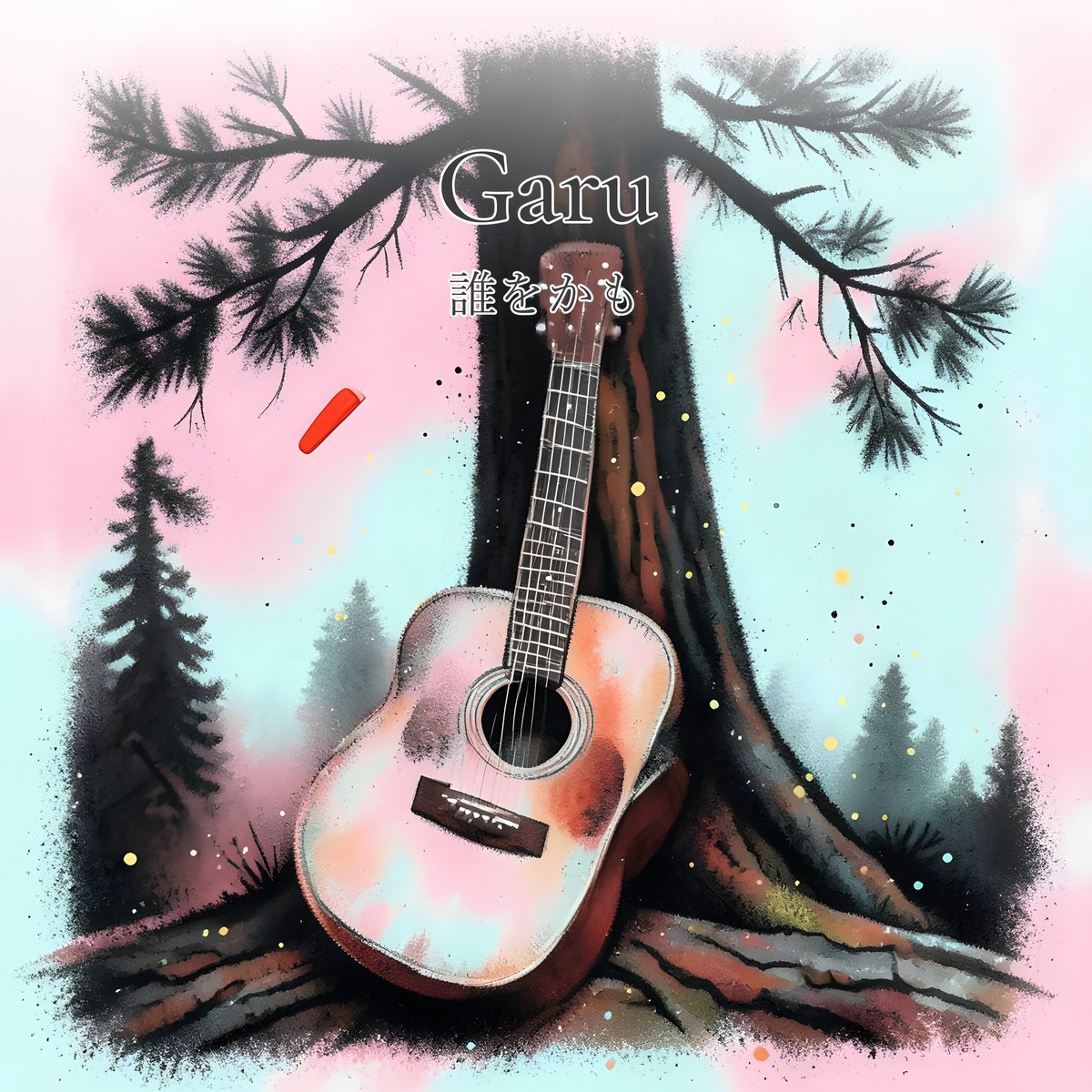
Whom can I call a close friend now? Even the pine of Takasago, famed for its long life, is no friend from the old days.
Fujiwara no Okikaze was an early Heian poet, one of the Thirty-Six Immortal Poets, who often composed at poetry contests in the time of Emperor Uda. His court rank was not high, but he was said to excel at music, especially the koto. Takasago, a shore in Harima Province (today's Takasago, Hyōgo), was famous since ancient times for its pines, a byword for long life.
As the years went by, the friends who knew him long ago were all gone. The long-lived pines of Takasago might remember the old days, but a pine is not a friend, and it does not answer when spoken to. "Tare o ka mo" repeats a question with no answer. Instead of crying out, he turns his grief toward an unmoving pine, and there lies the quiet loneliness of someone who has lived a long time.
We did not want to leave this loneliness simply sad. If there is no one left who knew those days, then the one who does know can remember and sing. The pine does not answer, but it listens in silence. The "first chord" in the song is the signal that ties him to the friends who are gone. When he plays alone the sound they first played together, the voices that are gone seem to overlap with his. We set the sad words on a light, breezy rhythm because we wanted it to be the song of someone who carries the loss and still says, "I'll play it here again tomorrow."
誰をかも(古今集/藤原興風・百人一首34番)Garu JP
川沿いの 古い 倉庫の 脇
松の木の 下で 鳴らした 最初の コード
外れた ハモりに 四人で 笑い転げて
朝まで 帰らなかった
ひとり 遠くへ ひとり 病に
数える たびに 減ってゆく
ステージの 袖で ふと 振り向けば
ギターを 持つのは ぼくだけ
誰をかも 知る人にせむ 高砂の
松も昔の 友ならなくに
あの頃の ぼくらを 知るのは
あの 松の木 だけ なのに
松は 友だと 言って くれない
客席の 若い 子たちが
ぼくらの 古い 歌で 跳ねる
誰の 曲かも 知らない まま
それで いいと 思えた
帰り道 遠回りして あの 松の 下へ
最初の コードを 鳴らして みる
返事を くれない 枝の 下で
四人ぶん 歌う
誰をかも 知る人にせむ 高砂の
松も昔の 友ならなくに
知る人が もう いないなら
ぼくが 覚えて 歌えば いい
あしたも ここで 鳴らそう
誰をかも 知る人にせむ 高砂の
松も昔の 友ならなくに
外れた ハモりも そのままで
いなくなった 声が 重なる
松は 黙って 聴いて いる
今夜も 最初の コードから
Tare o ka mo (Kokin-shu / Fujiwara no Okikaze, Hyakunin Isshu No. 34) Garu JP
By the old warehouse along the river
under the pine we played our very first chord
four of us laughing at our off-key harmonies
we didn't go home until morning
One moved far away, one fell ill
every time I count, there are fewer of us
At the side of the stage, I happen to look back
and I'm the only one still holding a guitar
Whom shall I now call a friend who knew me long ago?
Even the pines of Takasago were never my friends of old
The only one who knows who we were back then
is that pine tree, and yet
the pine will never call itself my friend
Young kids in the crowd
are jumping to our old songs
not even knowing whose songs they are
and somehow I felt that was fine
On the way home I take the long way round to that pine
and try playing the very first chord
beneath the branches that never answer
I sing for all four of us
Whom shall I now call a friend who knew me long ago?
Even the pines of Takasago were never my friends of old
If there's no one left who knows
then I'll remember, and I'll sing
I'll play it here again tomorrow
Whom shall I now call a friend who knew me long ago?
Even the pines of Takasago were never my friends of old
The off-key harmonies, just as they were
the voices that are gone now overlap
the pine stands silent, listening
tonight again, from the very first chord