Home / Hyakunin Isshu / Yamazato wa← Ogurayama|Kokoro-ate ni →

Hyakunin Isshu No. 28 · Minamoto no Muneyuki AsonYamazato wa

“The Last Train Home” — Minamoto no Muneyuki AsonSource: Kokin Wakashū, Winter · 315
山里は 冬ぞさびしさ まさりける
人目も草も かれぬと思へば
Yamazato wa fuyu zo sabishisa masarikeru
hitome mo kusa mo karenu to omoeba
In the mountain village, it is in winter that loneliness deepens most —
when I think how both visitors and grasses have withered away.
Hyakunin IsshuKokin WakashūWinterLonelinessA mountain village in winter
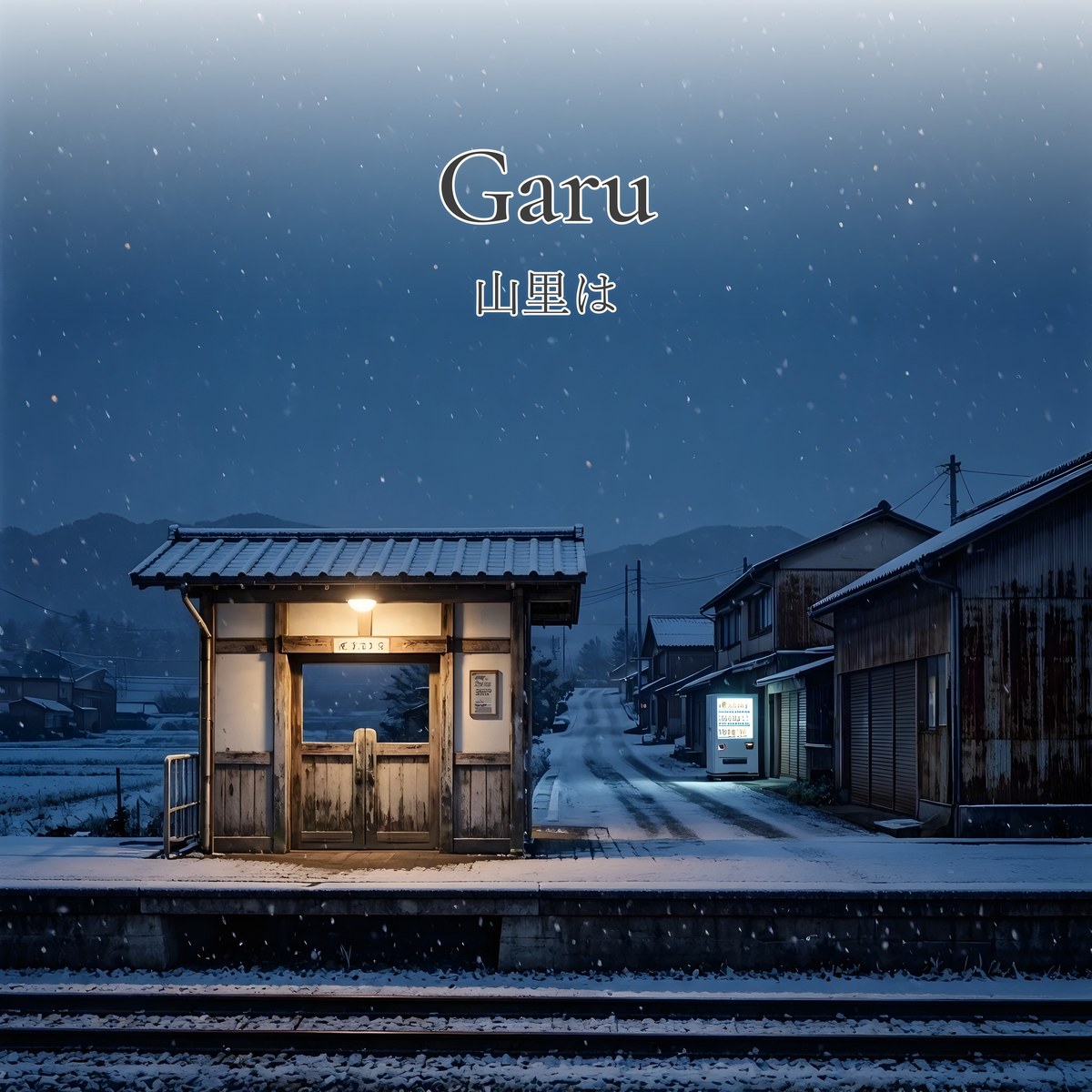
Yamazato wa jacket art▶

What the poem says

In the mountain village, loneliness deepens most in winter, when I think how visitors cease to come and the grasses wither away.

Music Video

ミュージックビデオ

The Story

歌のものがたり

Historical Background

Minamoto no Muneyuki Ason was a poet of the early Heian period and a grandson of Emperor Kōkō. He left the imperial family to become a subject with the surname Minamoto, but his court rank never rose as he hoped, and he left many poems lamenting his lot. He is one of the Thirty-Six Immortal Poets. The poem appears in the Winter section of the Kokin Wakashū as "a poem on winter." A yamazato, a mountain village, was a home in the hills far from the capital, a place where visitors were rare to begin with.

The Poet's Heart

"Fuyu zo sabishisa masarikeru" means that the mountain village is always lonely, but in winter the loneliness grows deeper still. "Karenu" is a pivot word that joins "kareru," for people's visits drifting away, and "kareru," for grass withering. When winter comes, both the grass you can see and the human ties you cannot see fade away together. He looks at the loneliness of having no visitors through the winter landscape.

What We Put into the Lyrics

What drew us to this poem was that in the single word "karenu," grass withering and people drifting away are laid on top of each other. You leave your hometown, live in the city, and when you finally go back, the gate where you used to meet, the shops on the way home from school, and the friends you spent those days with are no longer there. We think the same loneliness as the winter mountain village of a thousand years ago is in coming home today. But it was not only the town and the friends who drifted away; it was you, too. It is lonely precisely because it was a town with people you wanted to see. Holding that feeling like a treasure, he calls out once more, "How are you?", to a name that has stopped. We made it a song of a winter trip home.

Lyrics

歌詞
Japanese

山里は(古今集/源宗于朝臣・百人一首28番)Garu JP

Verse 1

年の瀬 最後の 仕事を 終えて

スーツのまま 乗り継いだ 最終列車

窓に 映る 疲れた 顔に はっとする

あの頃の 僕は どんな 顔で 笑ってた

Verse 2

降り立った 無人の 終着駅

待ち合わせた 通学の 改札

セピア色の 青春が 浮かぶ

みんな 遠くの 街へ 散らばった

Pre-Chorus

閉じた パン屋の 色あせた 看板

秘密基地は ただの 空き地

実家へ 続く 雪の 道に

僕の 足あとだけが 残る

Chorus

山里は 冬ぞ寂しさ まさりける

人目も草も かれぬと思へば

帰れば 会えると 思ってた

何も 変わらず 待ってると

変わったのは 町だけじゃない

離れたのは 僕の ほうだった

Verse 3

卒業アルバムの ページを めくる

寄せ書きの 「また 遊ぼうな」

その 約束を 果たせないまま 何年も

季節だけが 先に 過ぎた

Pre-Chorus

成人式で みんなが 写った 写真

僕だけが そこに いない

帰らなかった あの 冬を

今も ときどき 思い出す

Chorus

山里は 冬ぞ寂しさ まさりける

人目も草も かれぬと思へば

部活の 帰りに 寄り道した

坂の 上の 自販機の 灯り

今も 変わらず ともって いるのに

並んで 飲む 友は いない

Bridge

会えないのは 寂しいけど

会いたいと 思える 人が

この 町に いたことが

僕の 宝物 なんだ

Breakdown Chorus

山里は 冬ぞ寂しさ まさりける

人目も草も かれぬと思へば

自販機で 買った 缶の ぬくもりを

ひとりで 両手に 包んでる

Last Chorus

山里は 冬ぞ寂しさ まさりける

人目も草も かれぬと思へば

古い トークを ひらいて みよう

止まったままの 名前に 向けて

「元気か」って それだけで いい

雪が 溶ける 前に

Outro

人目も草も かれぬと思へば

English

Yamazato wa (Kokin-shu / Minamoto no Muneyuki, Hyakunin Isshu No. 28) Garu JP

After the last day of work at the end of the year

still in my suit, I changed trains to the last one home

I catch my tired face in the window and freeze

how did I used to smile back then?

I step off at the unmanned last stop

the ticket gate where we met on school mornings

a sepia-toned youth comes back to me

everyone has scattered to faraway cities

The faded sign of the closed bakery

our secret base is just an empty lot

on the snowy road to my parents' house

only my footprints remain

"In a mountain village, winter is the loneliest season of all,

when I think how visitors and grasses have both withered away"

I thought if I came home, I'd see them

that nothing would change, that they'd be waiting

It isn't only the town that changed

I was the one who drifted away

I turn the pages of the graduation album

a message in it says "Let's hang out again"

for years I never kept that promise

only the seasons went on ahead

A photo of everyone at the coming-of-age ceremony

I'm the only one who isn't there

the winter I didn't come home

still comes back to me sometimes

"In a mountain village, winter is the loneliest season of all,

when I think how visitors and grasses have both withered away"

On the way home from club practice, we'd stop by

the vending machine light at the top of the hill

it still glows just the same

but no friend stands beside me to drink

I'm lonely that I can't see them

but that there were people here

I could long to see again

that is my treasure

"In a mountain village, winter is the loneliest season of all,

when I think how visitors and grasses have both withered away"

the warmth of a can from the vending machine

I hold in both hands, alone

"In a mountain village, winter is the loneliest season of all,

when I think how visitors and grasses have both withered away"

I'll open the old chats

toward the names that stopped long ago

"How are you?" — that's all I need to say

before the snow melts

When I think how visitors and grasses have both withered away
← No. 26 Ogurayama All Songs Share on 𝕏 No. 29 Kokoro-ate ni →