Home / Hyakunin Isshu / Ōkenaku← Miyoshino no|Konu Hito o →

Hyakunin Isshu No. 95 · Former Archbishop JienŌkenaku

“The Black Sleeve” — Former Archbishop JienSource: Senzai Wakashū, Miscellaneous II · 1137
おほけなく うき世の民に おほふかな
わがたつ杣に 墨染の袖
Ōkenaku ukiyo no tami ni ōu kana
waga tatsu soma ni sumizome no sode
Presumptuous though I am, I would cover the people of this sorrowful world
with the black sleeve of the robe I first wore on this mountain.
Hyakunin IsshuSenzai WakashūMiscellaneousResolveMt. Hiei (Shiga)
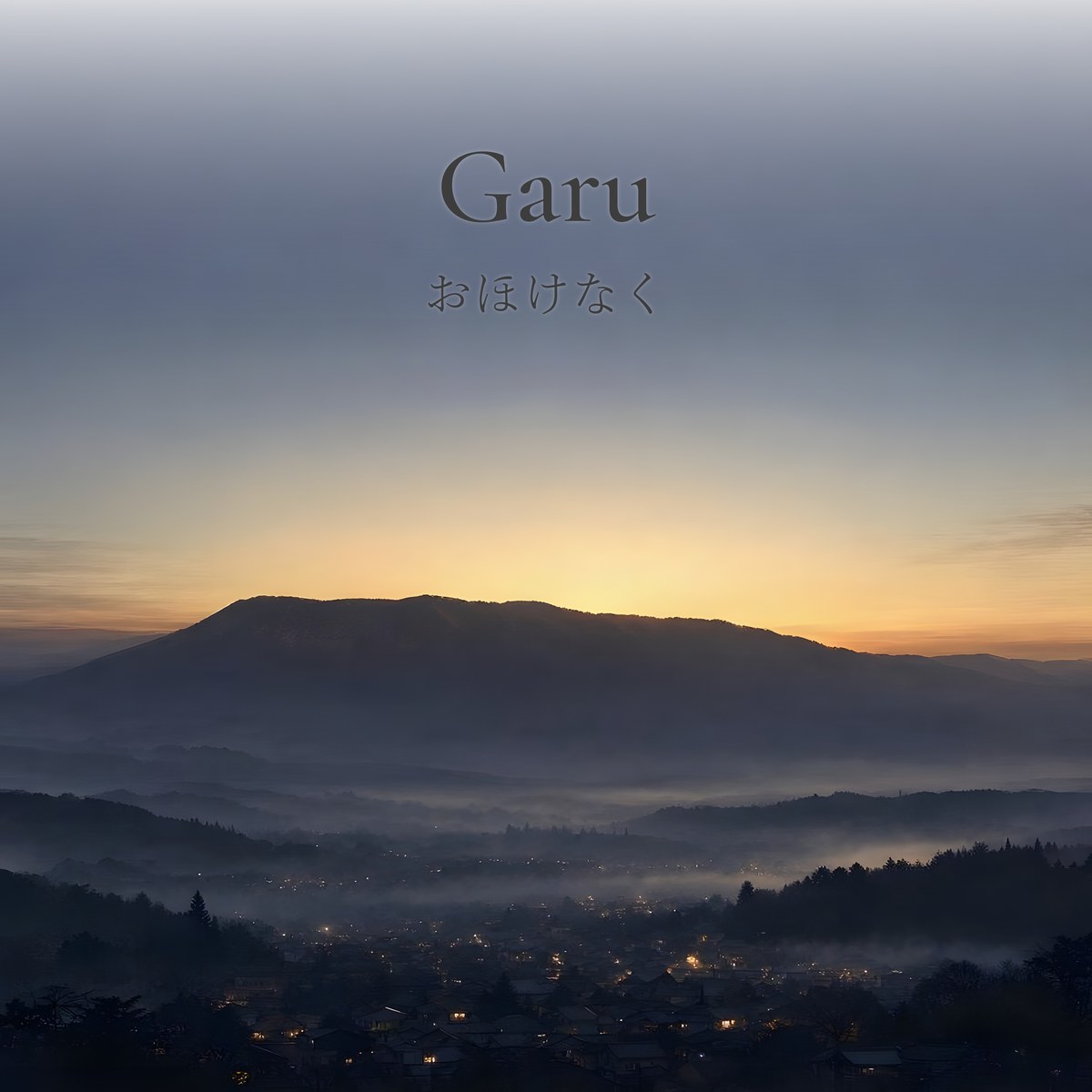
Ōkenaku jacket art▶

What the poem says

Presumptuous though it is, I will shelter the people who live in this sorrowful world with these ink-black sleeves of mine, now that I have come to dwell on Mount Hiei.

Music Video

ミュージックビデオ

The Story

歌のものがたり

Historical Background

The Former Archbishop Jien was a monk of the late Heian and early Kamakura periods, a son of the regent Fujiwara no Tadamichi and a younger brother of Kujō Kanezane. He entered the priesthood as a child, trained on Mount Hiei, and later served four times as Tendai zasu, the head of the Tendai school. He is also the author of the history Gukanshō. Jien lived through an age of great upheaval: the wars between the Taira and the Minamoto, terrible famines, and the founding of the Kamakura shogunate. "Waga tatsu soma" — the timber mountain where I stand — means Mount Hiei, and it echoes the words of Saichō, who founded the temple there, in his poem "waga tatsu soma ni myōga arasetamae". "Sumizome" is the black robe of a monk, and it also carries "sumi-some", to begin to dwell — the poet has only just come to live on Mount Hiei.

The Poet's Heart

"Ōkenaku" means presumptuously, beyond one's station. A monk who has only just come to live on Mount Hiei says he will cover the people living through this sorrowful world with his own black sleeve, to protect them. One monk's sleeve cannot possibly save a world in turmoil, and he knows it. That is why he begins by saying, "presumptuous though I am." Even so, he never restates his resolve in a smaller way. He opens with words of humility, and yet at the core of the poem is a determination that will not step back.

What We Put into the Lyrics

What drew us to this poem was its order: "I know my sleeve is not enough. And still I want to cover them." The setting is a meeting room in the second year at a company. The first junior he has ever had has made a big mistake and stands frozen, pale-faced. Not long ago, he was standing in that same spot himself. Before he knew it, he had taken a step forward and said, "I should have been the one checking." He is still only half-trained, with no real power to protect anyone. In the second verse we reveal that, long, long ago, someone said the same thing: a monk who looked down from Mount Hiei on a capital in ruins and declared he would cover the world with a single black sleeve. He must have known better than anyone that it was not enough. On the train home, the junior keeps bowing his head; he says only "It's fine" and looks at the window, where the black sleeve reflected there is still trembling a little. Even so, tomorrow he will stand in front again. We took the black sleeve as the sleeve of someone who has just begun to live in a new place, and made a song of a presumptuous kindness — shielding someone while still only half-trained yourself.

Lyrics

歌詞
Japanese

おほけなく(千載集/前大僧正慈円・百人一首95番)Garu JP

Intro

おほけなく うき世の民に おほふかな

わがたつ杣に 墨染の袖

Verse 1

入社二年目 まだ 名刺の渡し方も ぎこちない

黒いスーツの 袖口だけ 少し すり切れた

はじめての 後輩が 青い顔で 立ち尽くす

会議室の 空気が 音を立てて 冷えていく

Pre-Chorus

ついこの間まで 僕も あそこに 立っていた

Chorus

おほけなく うき世の民に おほふかな

気づけば 一歩 前に出てた

「僕が 見ておくべきでした」と

震える声で 言っていた

わがたつ杣に 墨染の袖

Verse 2

はるか昔 山に住み初めた ひとりの僧は

山の上から 荒れた都を 見下ろして

黒い衣の 袖ひとつで

世の中を 覆うと 詠んだ

Pre-Chorus

足りないことは 誰より 知っていた

それでも 言わずに いられなかった

Chorus

おほけなく うき世の民に おほふかな

半人前の この袖で

君の 震える 肩くらいは

覆わせてくれ

わがたつ杣に 墨染の袖

Bridge

帰りの電車で 「すみません」って

何度も 頭を下げる 君に

「いいよ」とだけ 言って 窓を見た

窓に映る 黒い袖が まだ 小さく 震えていた

Last Chorus

おほけなく うき世の民に おほふかな

今日から ここが 僕の杣

すり切れた 袖を ひろげて

明日も 前に 立つ

わがたつ杣に 墨染の袖

Outro

墨染の袖

住み初めの袖

English

Ohokenaku (Senzai-shu / Former Archbishop Jien, Hyakunin Isshu No. 95) Garu JP

"Presumptuous though I am, I would cover the people of this sorrowful world

with the black sleeve of the robe I first wore on this mountain"

Second year at the company, still clumsy even handing over a business card

Only the cuffs of my black suit have worn a little thin

My first junior stands frozen, face gone pale

The air in the meeting room goes cold, you could almost hear it

Not long ago, I was the one standing right there

"Presumptuous though I am, I would cover the people of this sorrowful world"

Before I knew it, I had stepped forward

"I should have been the one checking," I said

in a trembling voice

"with the black sleeve of the robe I wear on this mountain"

Long, long ago, a monk who had just come to live on the mountain

looked down from its peak on a capital in ruins

and with nothing but the sleeve of his black robe

wrote that he would cover the whole world

No one knew better how little he had

And still he could not keep from saying it

"Presumptuous though I am, I would cover the people of this sorrowful world"

With this sleeve of someone only half-grown

at least your trembling shoulders

let me cover them

"with the black sleeve of the robe I wear on this mountain"

On the train home, "I'm sorry,"

you say, bowing your head again and again

I only said "It's fine" and looked out the window

In the glass, my black sleeve was still trembling a little

"Presumptuous though I am, I would cover the people of this sorrowful world"

From today, this is the mountain where I stand

I spread my worn-out sleeves

and tomorrow, too, I'll stand in front

"with the black sleeve of the robe I wear on this mountain"

Sleeves dyed black

Sleeves of a new beginning
← No. 94 Miyoshino no All Songs Share on 𝕏 No. 97 Konu Hito o →