HomeHyakunin Isshu / Kokoro-ate ni← OgurayamaHisakata no →

Hyakunin Isshu No. 29 · Ōshikōchi no MitsuneKokoro-ate ni

“A White Morning” — Ōshikōchi no MitsuneSource: Kokin Wakashū, Autumn II · 277
心あてに 折らばや折らむ 初霜の
置きまどはせる 白菊の花
Kokoro-ate ni orabaya oran hatsushimo no
okimadowaseru shiragiku no hana
If I must guess, then let me guess and pick one — in the first frost
that hides them from the eye, the white chrysanthemums.
Hyakunin IsshuKokin WakashūAutumnAdmirationA garden under the first frost
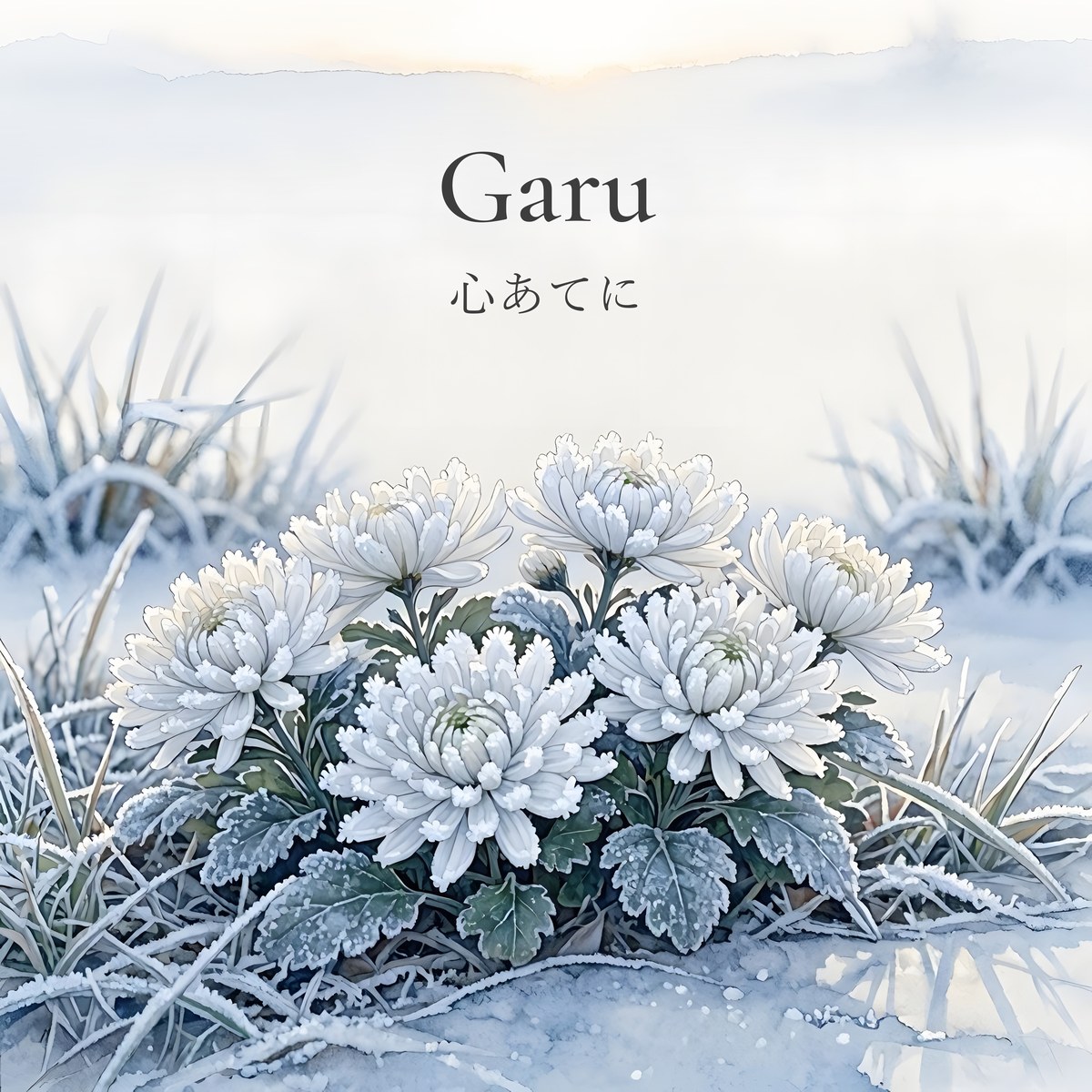
Kokoro-ate ni jacket art

What the poem says

If I am to pick one, let me pick by guesswork — the white chrysanthemum, now indistinguishable under the first frost.

Music Video

ミュージックビデオ

The Story

歌のものがたり

Historical Background

Ōshikōchi no Mitsune (dates unknown) was a poet of the early Heian period, active around the turn of the tenth century. His court rank stayed low all his life — minor posts in Kai and Awaji — yet his skill was ranked beside Ki no Tsurayuki's, and he was chosen as one of the four compilers of the Kokin Wakashū. He is one of the Thirty-Six Poetic Immortals. This poem is Kokin Wakashū, Autumn II, 277, headed 'Composed on white chrysanthemums'. Early on a late-autumn morning the first frost covers the whole garden, and he cannot tell where the white chrysanthemums are. In the Meiji era Masaoka Shiki singled the poem out in his Letters to the Tanka Poets: a little frost could never hide a white chrysanthemum; the conceit is a lie. But to a Heian poet it was no lie; it was mitate, the technique of seeing one thing as another. Rather than copy what is there, the poet exaggerates on purpose, and so carries the whiteness and cold of that morning, and the instant of held breath. Shiki the realist and Mitsune of the conceit — this one poem stands at the parting of the ways in what Japanese poetry has called beautiful over a thousand years.

The Poet's Heart

He goes out into the garden in the morning and everything is white. Is it frost, or chrysanthemum? He reaches out, and stops. 'Orabaya oran' — if I am to pick one, shall I pick one? The poem has no 'beautiful', no 'cold', no 'glad'. There is only a hand half reached out, and a few seconds of hesitation. That he cannot tell them apart is of course an exaggeration. But thanks to that exaggeration, the whiteness of a first-frost morning, before the eyes adjust, opens out in front of us a thousand years later.

What We Put into the Lyrics

What drew us most to this poem is that it conveys the whiteness of a morning with nothing but a hand half reached out, without a single word of feeling. So the lyrics, too, are written with scenes and gestures only. A morning woken before the alarm, a fogged window, breath that walks on ahead of you. The garden, the roofs, even the bicycle saddle have lost every colour they had last night — and the word 'white' is held back until the chorus. The chorus sings the poem as it is and then translates it — which is frost, and which is flower; a white morning where I cannot tell — with 'shall I pick one?' as the repeated hook. In the second verse the guess is wrong: what the fingertip touches is frost on a leaf, and it turns to water at once; and still the hand reaches out once more. In the bridge we tell, in plain words, that this poem was later laughed at as an exaggeration — and that, standing in the same morning, my own eyes cannot tell them apart either. A morning when you reach out on a guess, with the right answer still out of sight: we think that is a morning that high-school students who learn this poem in class also know. We do not preach it; the only will in the song is the poem's own 'shall I pick one?'. The music is bouncy acoustic indie-pop with celesta and glockenspiel like frost crystals and whistling like white breath.

Lyrics

歌詞
Japanese

心あてに(古今集/凡河内躬恒・百人一首29番)Garu JP

Verse 1

目覚ましより 先に起きた朝

窓のガラスが くもっている

玄関を出て 吐いた息が

ぼくより先に 歩いていく

Pre-Chorus

庭も 屋根も 自転車のサドルも

ゆうべまでの色が ひとつも無い

Chorus

心あてに 折らばや折らむ 初霜の

置きまどはせる 白菊の花

どれが霜で どれが花か

見分けのつかない 白い朝だ

あてずっぽうで 手を伸ばす

折ってみようか 折ってみようか

Verse 2

指の先が ふれたのは

花じゃなくて 葉の上の霜

指の先で すぐ水になる

外れた手を もう一度

Pre-Chorus 2

日が昇れば 霜は消えてしまう

屋根の端が もう 光りはじめた

Chorus 2

心あてに 折らばや折らむ 初霜の

置きまどはせる 白菊の花

どれが霜で どれが花か

見分けのつかない 白い朝だ

あてずっぽうで 手を伸ばす

折ってみようか 折ってみようか

Bridge

むかし 初霜の朝を 歌にした人がいる

大げさだと ずっとあとで 笑われた

同じ朝に 立ってみれば

ぼくの目にも 見分けがつかない

Final Chorus

心あてに 折らばや折らむ 初霜の

置きまどはせる 白菊の花

どれが霜で どれが花か

決めないままの 白い朝だ

日が昇るまえに 手を伸ばす

折ってみようか 折ってみようか

Outro

白菊の花……

English

Kokoro-ate ni (Kokin-shu / Oshikochi no Mitsune, Hyakunin Isshu No. 29) Garu JP

A morning I woke before the alarm

The window glass is fogged

I step out the door, and the breath I let out

walks on ahead of me

The garden, the roofs, even the bicycle saddle —

not one of last night's colors is left

If I must guess, then let me guess and pick one — in the first frost

that hides them from the eye, the white chrysanthemums

Which is frost, and which is flower?

A white morning where I cannot tell

On a guess, I reach out my hand

Shall I pick one? Shall I pick one?

What my fingertip touched

was not a flower but frost on a leaf

On my fingertip it turns to water at once

My hand guessed wrong — once more

When the sun rises, the frost will be gone

The edge of the roof has already begun to shine

If I must guess, then let me guess and pick one — in the first frost

that hides them from the eye, the white chrysanthemums

Which is frost, and which is flower?

A white morning where I cannot tell

On a guess, I reach out my hand

Shall I pick one? Shall I pick one?

Long ago, someone made a poem of a first-frost morning

and was laughed at, long afterwards, for exaggerating

But standing in the same morning

my eyes cannot tell them apart either

If I must guess, then let me guess and pick one — in the first frost

that hides them from the eye, the white chrysanthemums

Which is frost, and which is flower?

A white morning I leave undecided

Before the sun rises, I reach out my hand

Shall I pick one? Shall I pick one?

White chrysanthemums...
← No. 26 Ogurayama All Songs Share on 𝕏 No. 33 Hisakata no →